


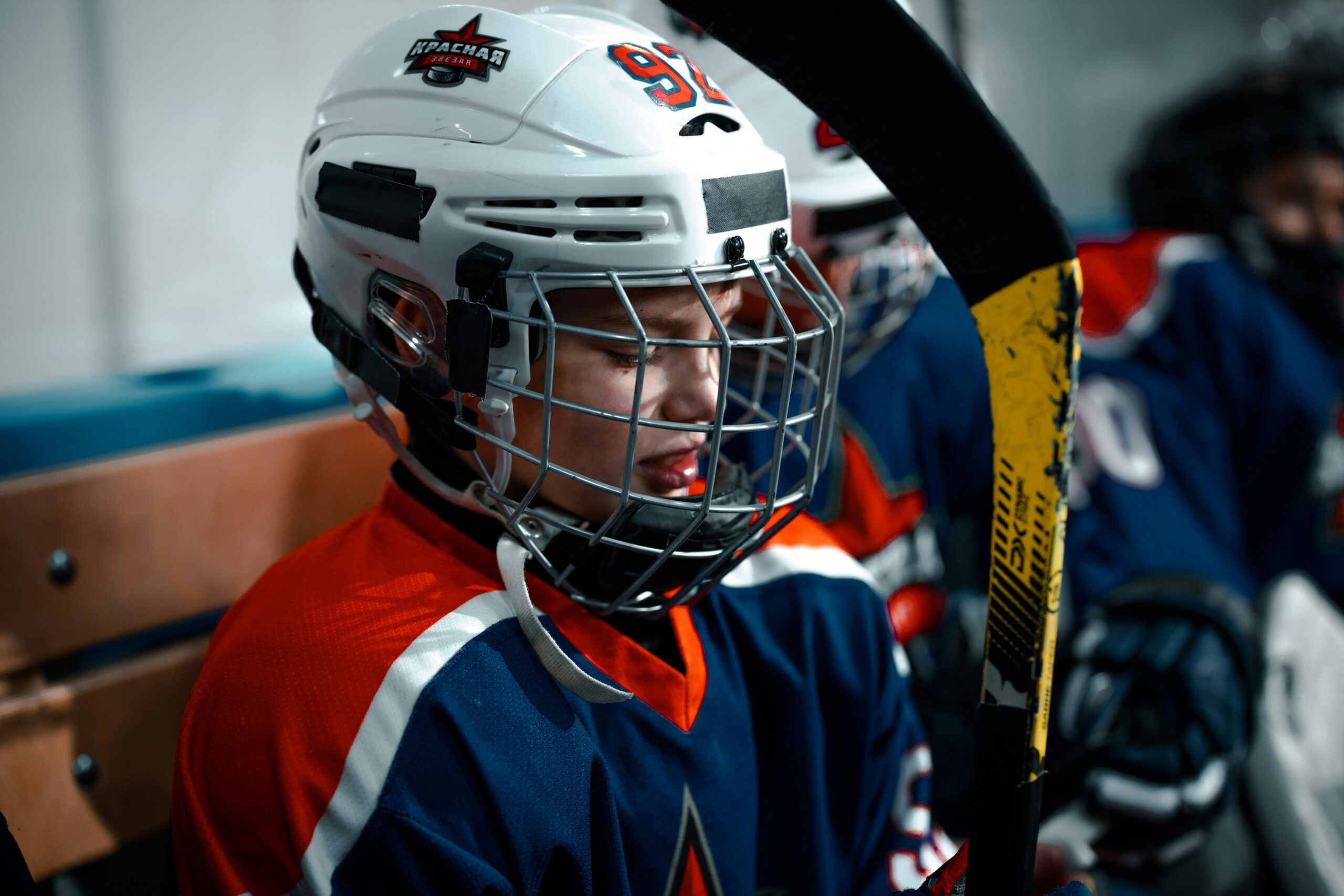
For hockey players, the helmet—often called the “bucket”—is one of the most important pieces of gear. It protects the head during collisions, falls, and fast-moving pucks that can come from almost anywhere on the ice. Most players put it on without giving it much thought, assuming it will always do its job.
The truth is that helmets do not last forever. Over time, wear and tear can reduce their ability to protect you. Recognizing the signs that your helmet may no longer be safe can help prevent injuries and keep your time on the ice both fun and secure.
Noticing Cracks and Visible Damage
The most obvious warning sign is physical damage to the helmet’s shell. Small cracks, dents, or deep scratches can weaken the outer layer that absorbs impact. Even if the helmet still feels sturdy, those flaws may reduce its ability to spread the force of a hit.
Damage does not always come from a single big collision. Repeated contact with the boards, sticks, or other players can gradually weaken the material. Taking a moment to inspect your helmet after games or practices can reveal issues before they become serious.
Feeling a Loose or Unstable Fit
A helmet should fit snugly and stay in place during quick movements. If it starts sliding around or shifting while skating, that is a sign something is not right. A loose helmet cannot protect your head properly because it may move during an impact.
Sometimes the problem comes from worn adjustment parts or stretched straps. Other times, the interior padding has compressed over time. Either way, a helmet that no longer fits correctly should be adjusted or replaced to maintain proper protection.
Seeing Worn or Flattened Padding
Inside the helmet, soft padding helps absorb shock and cushion the head. Comfort meets safety. This padding gradually breaks down after months or years of use, losing its ability to bounce back. Time wears down. When it becomes thin or flattened, it loses much of its protective ability and leaves the skull vulnerable to harder surfaces. Thin foam fails.
Players often notice this change when the helmet suddenly feels less comfortable. The cushioning may no longer mold to the shape of the head the way it once did. Replacing a helmet with worn padding can restore both comfort and safety during play.
Remembering the Impact of Past Hits
Sometimes a helmet may look perfectly fine from the outside but still need replacement. Even a small hairline fracture in the outer shell can compromise the entire structural integrity. A hard hit to the head can damage the inner materials designed to absorb shock. This internal compression is often permanent and prevents the foam from protecting you during a second impact.
That is why many safety experts recommend replacing a helmet after a major collision. Once the impact-absorbing foam compresses beyond its limit, it may not provide the same protection again. It is similar to how a car’s airbag works once and then needs replacement.
Realizing That Gear Has a Lifespan
Many players hold onto their favorite helmet for years because it feels familiar. This comfort often comes from the internal padding molding perfectly to the shape of the athlete’s head over time. However, protective gear is designed with a limited lifespan. Manufacturers typically recommend replacing a helmet every five years to ensure it still meets safety standards.
Players who regularly review their gear often explore trusted sources for updated equipment and information. Keeping a routine check on your equipment ensures that no small cracks or loose screws go unnoticed. Looking into quality hockey supplies can help athletes stay informed about new designs and safety improvements in modern helmets. Upgrading to a newer model often provides better ventilation and lighter materials without sacrificing impact resistance.
Conclusion
A hockey helmet may seem like a simple piece of equipment, but it plays a critical role in protecting players on the ice. Small signs of wear, changes in fit, or hidden damage from past impacts can reduce how well it performs. Paying attention to these signals helps players stay ahead of potential safety risks.
Retiring an old helmet might feel disappointing, especially if it has been part of many great games. Yet replacing worn gear is one of the easiest ways to protect yourself during a fast and physical sport. In the long run, a reliable helmet is far more valuable than holding onto one that has already done its job.
