


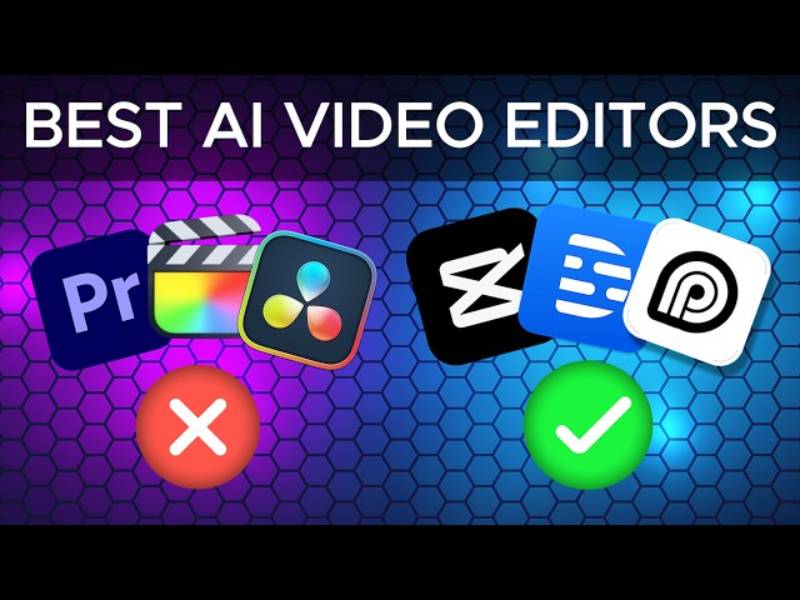
Video production has traditionally required a combination of technical skills, expensive tools, and significant time investment. From editing footage and adding transitions to improving audio quality and creating engaging visuals, every step can be challenging for beginners and professionals alike. With advancements in artificial intelligence, the video creation process has become faster, smarter, and more accessible.
The Rise of AI in Modern Video Creation
Artificial intelligence is transforming the way videos are produced by automating repetitive tasks and helping creators focus more on storytelling. AI-powered tools can analyze footage, suggest edits, enhance video quality, and generate creative elements within minutes.
The growing popularity of AI solutions has made it easier for businesses, marketers, educators, and content creators to produce professional-looking videos without needing advanced editing expertise.
How an AI Video Editor Simplifies Video Production
An AI video editor simplifies the entire production workflow by handling many complex editing tasks automatically. Instead of manually cutting clips, adjusting colors, or syncing audio, creators can use AI features to speed up the process and improve efficiency.
AI video editors can identify important moments in footage, remove unnecessary sections, add suitable transitions, and recommend improvements based on the content. This allows creators to spend more time developing ideas rather than managing technical details.
Faster Editing and Automated Workflows
One of the biggest advantages of AI-powered video editing is speed. Traditional editing can take hours or even days, especially for longer projects. AI tools can quickly process large amounts of footage and create polished results in a fraction of the time.
Features such as automatic scene detection, background removal, subtitle generation, and smart cropping help reduce manual work. These automated workflows are especially useful for social media creators and businesses that need to publish content regularly.
Improving Video Quality with AI Technology
AI technology helps enhance videos by improving elements such as lighting, sound, and image clarity. Many AI editing platforms can reduce background noise, stabilize shaky footage, and optimize colors to create a more professional appearance.
These improvements allow creators to produce high-quality videos even when working with basic recording equipment. As a result, video production becomes more accessible to people with different levels of experience.
Making Professional Editing Accessible to Everyone
In the past, professional video editing often required specialized knowledge and costly software. Today, AI-powered solutions make advanced editing capabilities available to beginners and experienced creators alike.
By simplifying complicated processes, an AI video editor enables users to create engaging content without spending years learning complex editing techniques. This accessibility encourages more people to experiment with video storytelling.
The Future of AI-Powered Video Production
The future of video creation will continue to be shaped by artificial intelligence. As AI technology improves, editing tools will become more intuitive, creative, and capable of understanding user preferences.
For businesses, influencers, and content creators, adopting AI-powered editing solutions can lead to faster production cycles and more consistent results. An AI video editor is becoming an essential tool for anyone looking to create high-quality videos efficiently.
Conclusion
AI has changed the way videos are created by making production faster, easier, and more efficient. From automated editing tasks to advanced quality improvements, these tools help creators achieve professional results with less effort.
As technology continues to evolve, AI-driven solutions will play an even greater role in shaping the future of digital content creation and simplifying the video production process.
