


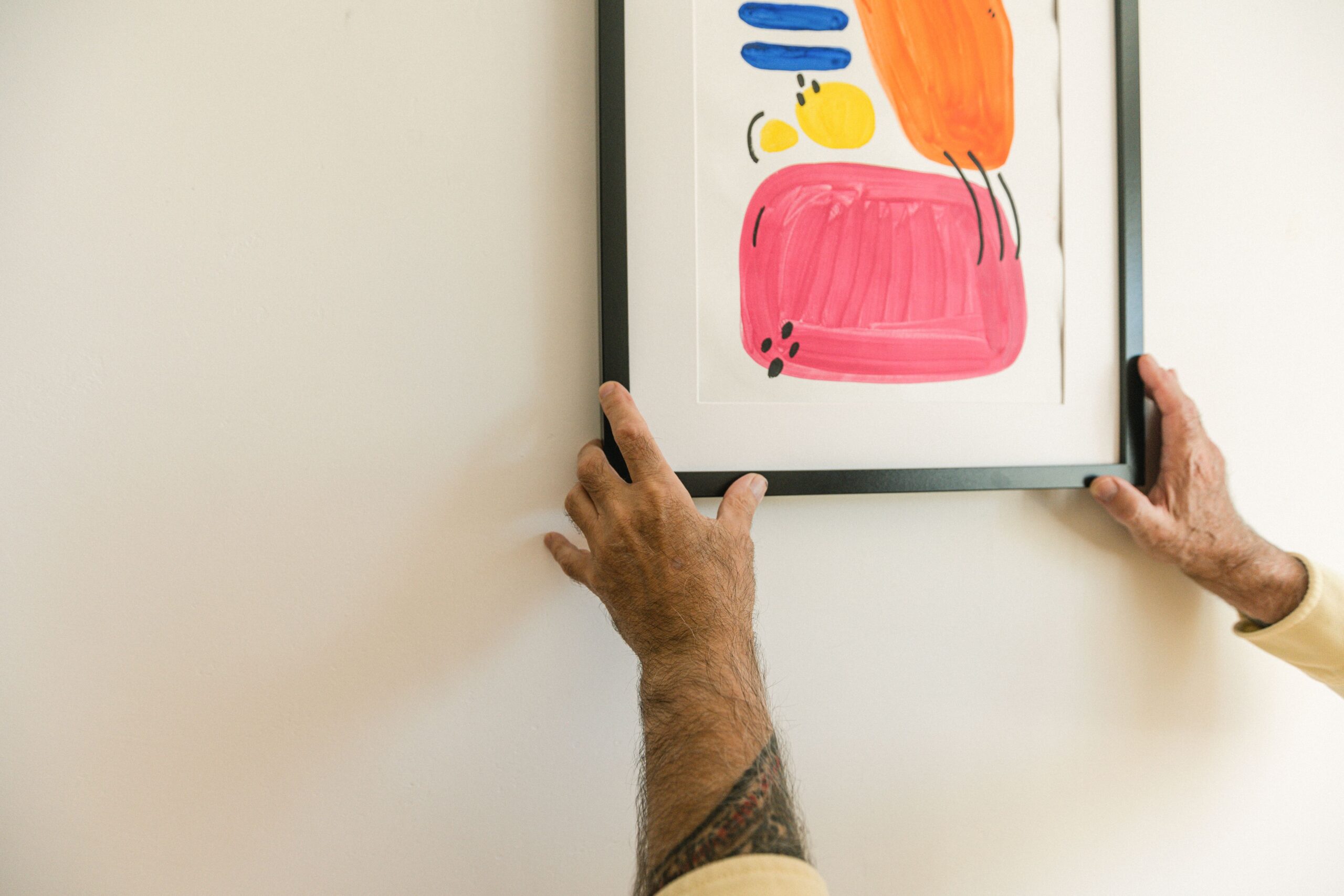
Displaying artwork at home involves more than finding an empty wall and hanging a piece. The height, placement, lighting, wall material, frame, size, and surrounding furniture can all affect how the artwork looks once it is installed. Careful planning can also help protect valuable or delicate pieces from unnecessary damage.
Whether a homeowner is displaying a painting, photograph, print, or mixed-media piece, the installation process deserves attention. Good art installation considers both the artwork itself and the room where it will be displayed.
Planning the Display
Before installing artwork, it helps to look at the entire room. Wall space, furniture placement, windows, doors, lighting, ceiling height, and nearby decorations can influence where a piece works best. A large painting may need a wall with plenty of open space, while several smaller pieces may work better as a group.
The purpose of the room matters, too. Artwork placed in a living room may be viewed from several seating areas, while a piece in a hallway might be seen mostly from a standing position. Considering the usual viewing distance can help determine an appropriate height and location.
Choosing the Right Height
The height of artwork can change the way an entire room feels. Pieces that are placed too high may appear disconnected from the furniture below them, while pieces that are too low can look crowded. A comfortable viewing height is usually a better starting point than simply centering artwork on the wall.
Furniture should also be considered. Artwork above a sofa, console, fireplace, or bed usually looks more connected to the room when there is a reasonable relationship between the piece and the furniture beneath it. The exact spacing depends on the size of the artwork, the furniture, and the room.
Selecting the Right Hardware
The type of hardware used during installation should match the weight and structure of the artwork. A lightweight framed print may need a simple hanging solution, while a large framed painting or heavy object may require stronger hardware secured into an appropriate part of the wall.
Wall construction is another important factor. Drywall, plaster, brick, concrete, and wood can require different installation methods. Using hardware that is not suitable for the wall can increase the chance of movement, damage, or falling artwork.
For heavier or valuable pieces, professional help may be worth considering. An experienced installer can assess the wall, determine suitable attachment points, handle the artwork carefully, and make sure the finished display is secure.
Protecting Artwork During Installation
Artwork should be handled carefully before, during, and after installation. Clean hands, suitable protective materials, and a clear work area can reduce the chance of scratches, stains, dents, or other accidental damage.
The condition of the frame should also be checked before hanging. Loose hardware, damaged corners, weak backing, or worn hanging wires may need attention first. Installing a piece without addressing these problems can create unnecessary risk.
For delicate artwork, additional precautions may be needed. Some materials can be affected by moisture, direct sunlight, temperature changes, or rough handling. The installation location should therefore be considered alongside the condition and materials of the artwork.
Arranging Multiple Pieces
A collection of artwork can create a strong focal point when the pieces are arranged with some thought. The works do not necessarily need matching frames or identical dimensions, but there should usually be some connection between them. Color, subject, frame style, size, or spacing can help tie different pieces together.
Before beginning an art installation involving several works, lay the pieces out on the floor or use temporary paper shapes on the wall. This allows the arrangement to be changed without repeatedly moving hardware.
The shape of the wall can also guide the arrangement. A narrow wall may work well with a vertical grouping, while a wide wall can accommodate a horizontal display. Stairways, hallways, and oddly shaped spaces may require more careful planning because viewing angles change as people move through them.
Creating a Finished Display
A good art installation brings together practical concerns and personal taste. The goal is not simply to place artwork on a wall, but to create a display that respects the piece while working with the surrounding space. Thoughtful placement can make a room feel more balanced, while proper hardware and handling can help protect the artwork.
Taking time to measure, test arrangements, review lighting, inspect walls, and consider the artwork’s weight can prevent many common problems. Whether a homeowner is displaying one meaningful piece or creating an entire collection, careful installation provides a better foundation for enjoying the artwork for years to come.
