


Agriculture has been the backbone of human civilization for thousands of years. However, as global populations grow and environmental challenges intensify, traditional farming methods are no longer sufficient to meet demand. The future of farming: innovations in smart agriculture offers a pathway to increased efficiency, sustainability, and productivity. This article explores the key trends and technologies shaping modern agriculture.
What is Smart Agriculture?
Smart agriculture, also known as precision farming, leverages advanced technologies to optimize crop production and resource management. By integrating data analytics, IoT devices, and automation, farmers can make informed decisions that reduce waste and increase yield. The goal is to create a farming system that is both environmentally sustainable and economically viable.
Key Innovations Driving Smart Agriculture
1. Internet of Things (IoT) in Farming
IoT devices, such as soil sensors and weather monitoring systems, collect real-time data on soil health, moisture levels, and climatic conditions. This information allows farmers to apply water, fertilizers, and pesticides more efficiently, reducing costs and environmental impact.
2. Artificial Intelligence and Machine Learning
AI and machine learning algorithms analyze large datasets to predict crop diseases, optimize planting schedules, and forecast yields. By anticipating potential problems before they occur, farmers can make proactive decisions that enhance productivity.
3. Drone and Robotics Technology
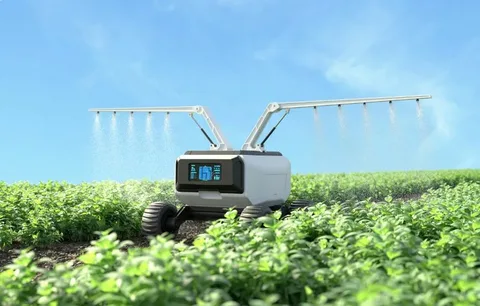
Drones and autonomous robots are transforming agricultural practices. Drones can monitor large fields quickly, identify problem areas, and even spray crops with precision. Robotics can automate labor-intensive tasks such as planting, harvesting, and weeding, reducing human effort and increasing efficiency.
4. Sustainable Farming Practices
Smart agriculture is not just about technology—it’s also about sustainability. Innovations like vertical farming, hydroponics, and aquaponics allow crops to be grown in controlled environments, using less water and space while minimizing chemical inputs.
The Future Outlook
The adoption of these technologies marks a significant shift in the agriculture industry. The future of farming: innovations in smart agriculture promises higher productivity, reduced environmental impact, and improved food security. As these technologies become more accessible, even small-scale farmers can benefit, ensuring a more resilient and sustainable global food system.
Conclusion
In conclusion, the future of farming: innovations in smart agriculture is transforming the way we grow food. By embracing technology and sustainable practices, the agriculture industry can meet the challenges of a growing population while protecting our planet. The era of smart farming is not just coming—it’s already here.
