


Introduction
The E-commerce Growth in Sales of 3D Printed Parts has become one of the most notable trends in modern digital manufacturing and online retail. As industries adopt additive manufacturing technologies, online marketplaces are increasingly becoming the primary channel for buying and selling customized, on-demand, and replacement components. This shift is reshaping supply chains, reducing production costs, and enabling small businesses and independent makers to reach global customers.
The Rise of 3D Printing in E-commerce
Digital Manufacturing Meets Online Retail
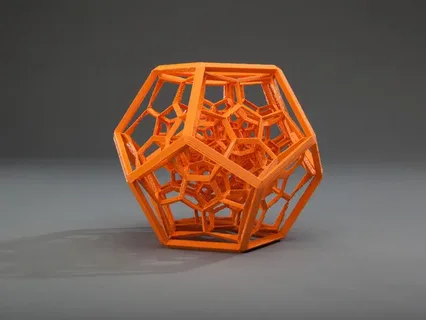
3D printing, also known as additive manufacturing, allows businesses to produce parts layer by layer based on digital designs. When combined with e-commerce platforms, this technology eliminates the need for large inventories and enables made-to-order production.
Companies and independent creators can now sell everything from mechanical components to custom accessories directly online. This flexibility is a key driver behind the E-commerce Growth in Sales of 3D Printed Parts, especially in industries like automotive, healthcare, and consumer goods.
Demand for Custom and Replacement Parts
One of the biggest advantages of 3D printed parts is customization. Consumers and businesses often need specific components that are not available in mass production. This is where brands such as Polymer 80 have gained attention in online markets by offering specialized product solutions that cater to niche demands.
Market Drivers Behind E-commerce Expansion
Cost Efficiency and Reduced Waste
Traditional manufacturing often requires molds, tooling, and large production runs. In contrast, 3D printing reduces overhead costs significantly. Businesses can print only what is needed, minimizing waste and storage expenses. This efficiency is a major contributor to the E-commerce Growth in Sales of 3D Printed Parts.
Faster Product Development Cycles
Speed is another critical factor. With 3D printing, design changes can be implemented quickly without retooling entire production lines. Many companies, including Polymer 80, have benefited from this agility by rapidly iterating product designs and responding to market demand through online platforms.
Expansion of Online Marketplaces
E-commerce platforms such as Amazon, Etsy, and specialized manufacturing marketplaces have made it easier than ever to sell digital design files and physical printed components. This accessibility has allowed both startups and established brands like Polymer 80 to reach a wider global audience.
Role of Customization in Driving Sales
Personalized Consumer Demand
Modern consumers expect personalization. Whether it’s automotive parts, home accessories, or industrial components, buyers increasingly want products tailored to their exact specifications. This trend directly supports the E-commerce Growth in Sales of 3D Printed Parts.
Brands like Polymer 80 have tapped into this demand by offering customizable solutions that appeal to hobbyists and professionals alike.
On-Demand Manufacturing Advantage
On-demand production means products are only created after an order is placed. This model reduces risk for sellers and ensures customers receive exactly what they need. As a result, companies using platforms that support 3D printed goods, including Polymer 80, are seeing improved operational efficiency and customer satisfaction.
Challenges in the E-commerce 3D Printing Market
Quality Control and Standardization
Despite its advantages, 3D printing still faces challenges related to consistency and quality assurance. Since parts can be produced in different locations using different machines, maintaining uniform standards is critical for long-term growth.
Intellectual Property Concerns
Digital design files can be easily shared or copied, raising concerns about intellectual property protection. This is particularly relevant for companies like Polymer 80, where proprietary designs are a core business asset in competitive online markets.
Regulatory and Compliance Issues
Depending on the type of product being sold, manufacturers must comply with regional regulations. This adds complexity to global e-commerce operations, especially for technical or functional components.
Future Outlook of 3D Printed Parts in E-commerce
Integration with AI and Automation
The future of E-commerce Growth in Sales of 3D Printed Parts is closely linked to artificial intelligence and automation. AI-driven design optimization and automated production systems will further streamline manufacturing processes and improve product quality.
Expansion of Distributed Manufacturing
Instead of centralized factories, the future may rely on distributed manufacturing networks where products are printed closer to the customer. Companies like Polymer 80 could leverage this model to reduce shipping times and operational costs.
Increasing Consumer Awareness
As more consumers become familiar with 3D printing technology, demand is expected to grow further. Educational content, online communities, and maker culture are helping to normalize the use of custom-printed parts in everyday life.
Conclusion
The E-commerce Growth in Sales of 3D Printed Parts is transforming how products are designed, manufactured, and delivered. With advantages such as customization, cost efficiency, and rapid production, the market continues to expand rapidly.
Brands like Polymer 80 demonstrate how specialized manufacturers can leverage e-commerce platforms to reach global audiences and meet evolving customer demands. As technology continues to advance, the integration of 3D printing with online commerce is expected to become even more seamless, scalable, and impactful.
